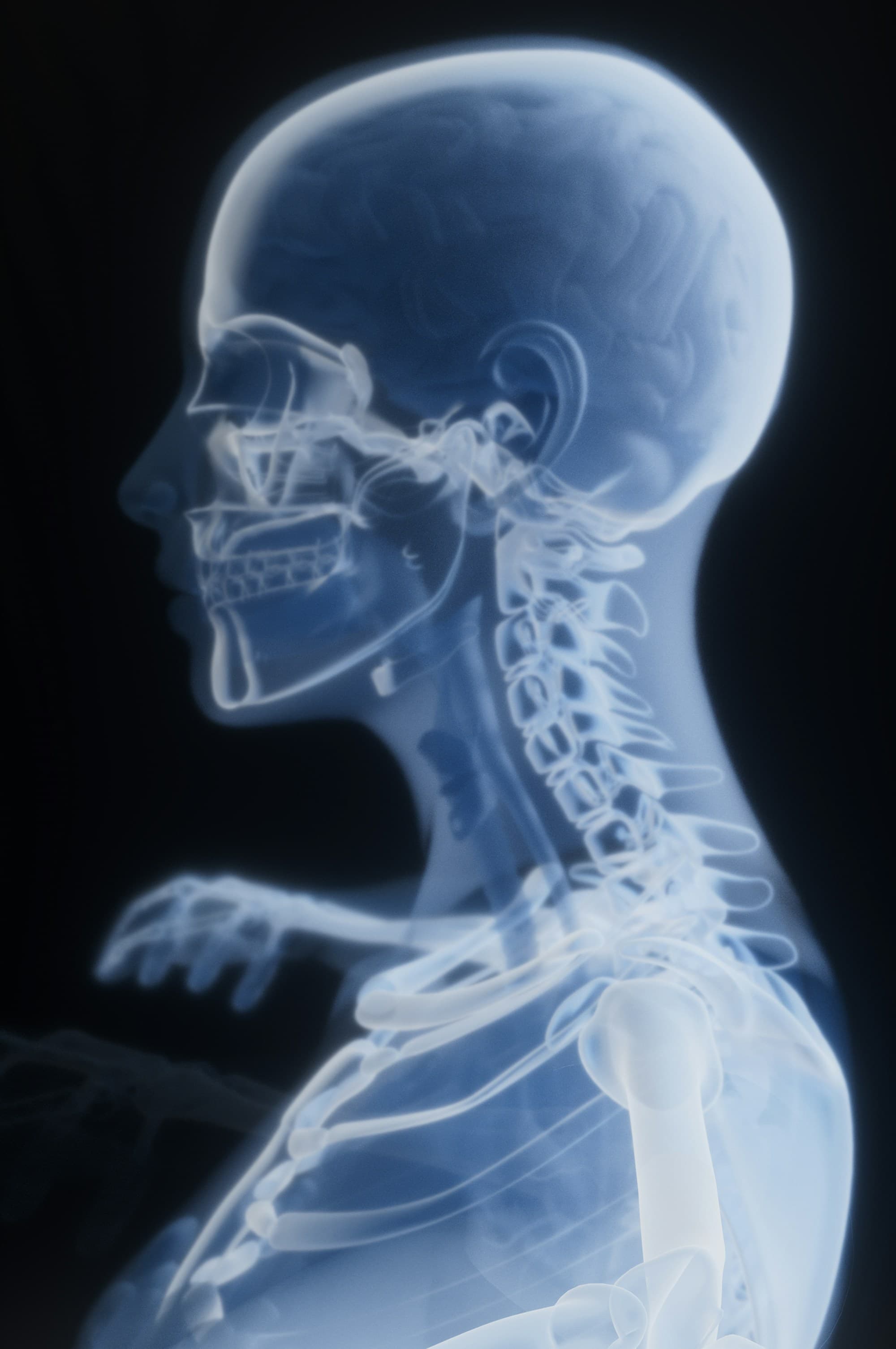
Lifespan reduction associated with untreated obstructive sleep apnea.
Of CPAP users cannot — or will not — wear their device long-term.
Children present with at least one sign of sleep-disordered breathing on screening.
Of craniofacial growth is complete by age 12, and largely shaped by how the child breathes.
The airway is the upstream variable. Everything else is downstream.
Crowded teeth, jaw pain that won’t settle, the child who can’t focus, the adult who can’t sleep — different presentations, one upstream cause. The airway.
Most providers treat the symptoms in front of them. We treat the airway that’s causing them. That single inversion changes the outcome.

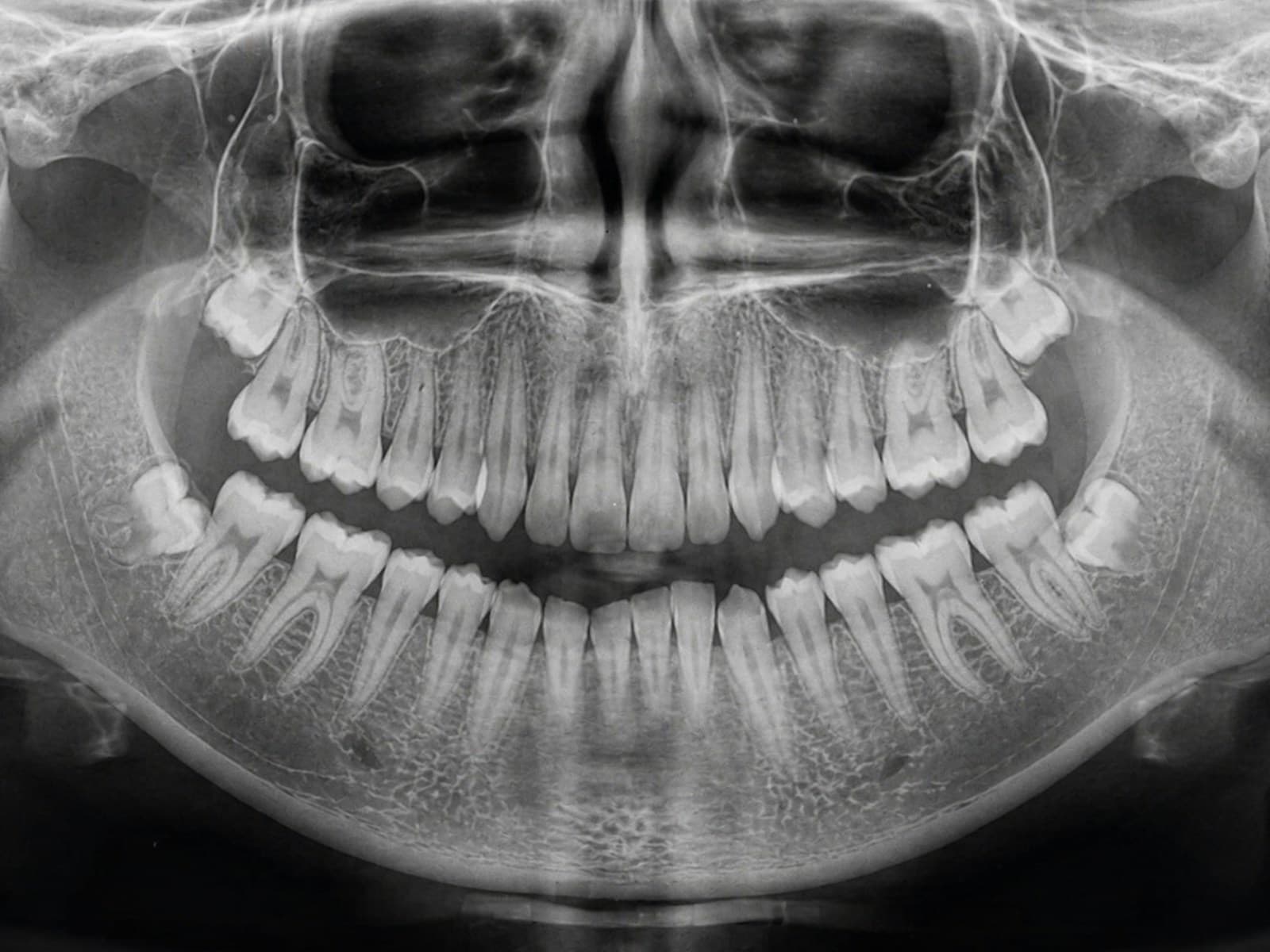
Three rooms, one upstream cause.
Sleep & airway
Snoring, witnessed apneas, morning headaches, dry mouth, bedwetting in kids. We evaluate the nasal airway, posture, and bite to find what’s closing the airway at night — and treat it without forcing a CPAP.
TMD & craniofacial pain
Jaw pain, clicking, headaches that won’t settle. When splint therapy alone isn’t enough, we screen the airway driving the muscle pattern. Dr. Deal is board-certified in craniofacial pain.
Orthodontics
ControlledArch — the doctor’s signature protocol for expanding the arch rather than retracting it. Pediatric growth guidance and adult expansion cases. The arch decides the airway.
Read these first.

DDS
Stephen Deal, DDS. You see him directly.
Double board-certified in craniofacial pain and dental sleep medicine. Developer of the ControlledArch protocol. Senior Instructor for the International Association for Orthodontics. No associates, no rotations — every evaluation at Symmetry is with Dr. Deal.
- Board certifiedDABCP · DABSB
- FacultyIAO Senior Instructor · ABCP President-Elect
- ClinicSymmetry Modern Dentistry
- CE programReal Deal Seminars
Three cases. Three outcomes.
A 38-year-old presented with twelve years of unilateral jaw pain that no splint had touched. We screened the airway in the same visit and started co-treatment that week. The joint was paying the bill for the airway.
I’ve moved the airway screen into the first thirty seconds of every pediatric exam. Nasal patency, tongue posture, dark circles, mouth at rest. The case mix doesn’t change. The diagnoses do.
Guilleminault’s 2005 paper on maxillomandibular expansion in children is the one I keep returning to. Two decades later it’s still the cleanest demonstration that the arch decides the airway.
We read the papers, so you don’t have to.
A curated reading list of the papers the editor returns to most often. One is featured each month, with a plain-language takeaway and what it changed in the operatory.
Maxillomandibular expansion for the treatment of sleep-disordered breathing in children
Establishes a direct mechanism: arch expansion enlarges the airway. A foundational paper for the airway-aware paradigm.
What patients ask before they book.
How do I know if I should book an evaluation?
If you or your child has any combination of mouth breathing, snoring, restless sleep, dark circles, morning headaches, jaw pain, or crowded teeth, it’s worth an evaluation. The exam takes about ninety minutes and tells you whether the airway is driving the picture or not. Most of our patients leave with a clear answer either way.
Where do you practice, and do you see out-of-state patients?
Symmetry Modern Dentistry in Little Rock, Arkansas. Patients travel from across the South and the country for evaluation, particularly for complex pediatric airway, TMD, and adult ControlledArch cases. If you can’t make the trip, the parent track points you to questions to ask any airway-aware provider in your region.
What ages do you treat?
From around age four through adult. Pediatric growth guidance is most effective before the mandibular growth window closes — typically between seven and twelve — but adult expansion and TMD/sleep treatment remain very much on the table. Earlier is generally better; rarely is it too late.
Do you take insurance?
Symmetry is a fee-for-service practice and out-of-network with insurance carriers. We provide detailed superbills you can submit for reimbursement, and many sleep-related and TMD services have meaningful out-of-network coverage. The office can walk you through what to expect before you book.
I’m a clinician — where do I learn the protocol?
Real Deal Seminars. Three free intros, one online prereq (Growth), and four live cohort courses covering Pediatric, Ortho/ControlledArch, TMD, and Sleep. PACE/AGD-accredited, delivered through Essential Orthodontic Products, Inc. Start with the free intros to see if the framework fits your practice.