
Symmetry.
We treat sleep, breathing, jaw pain, and facial growth — from the airway down. By Stephen Deal, DDS.
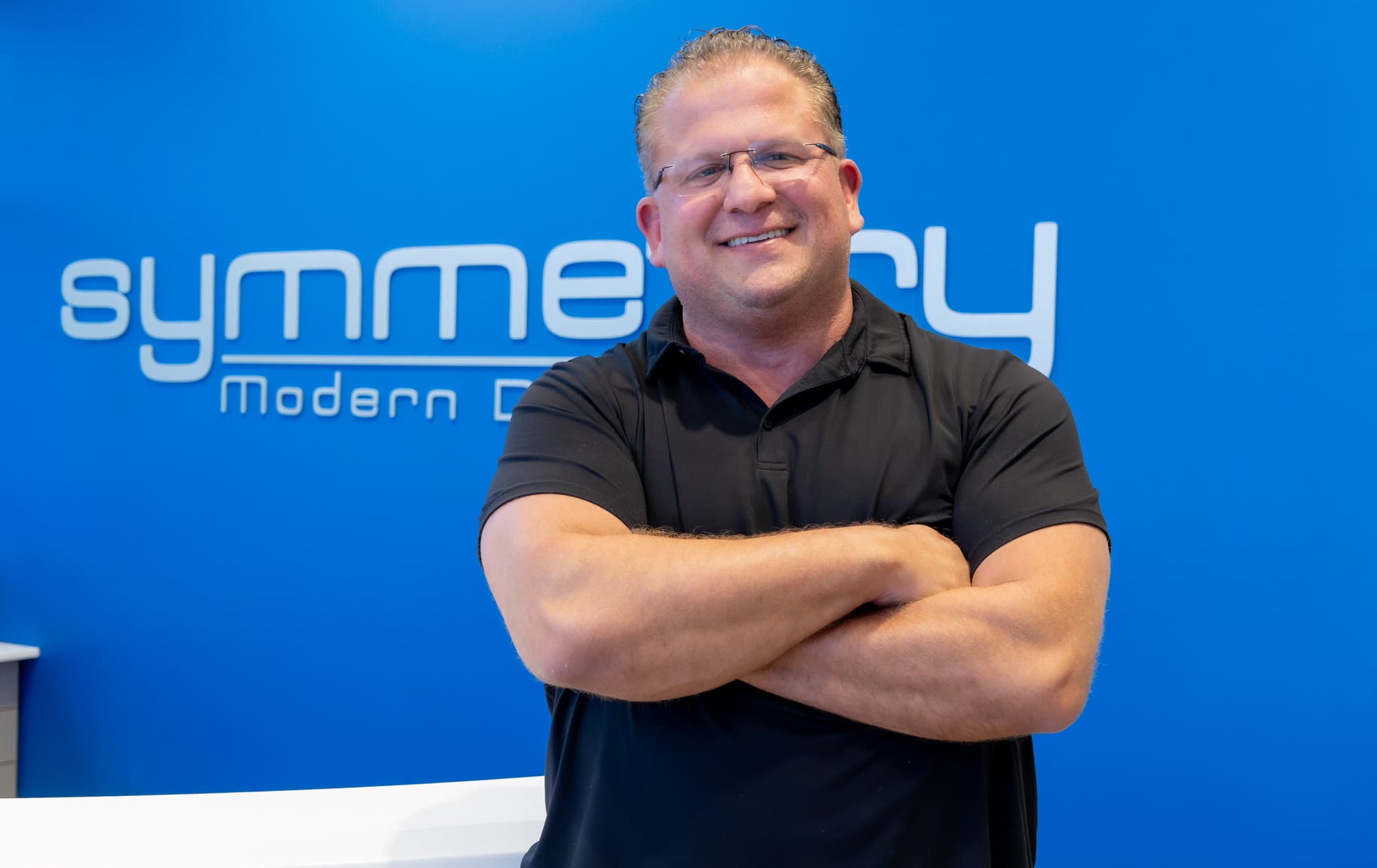

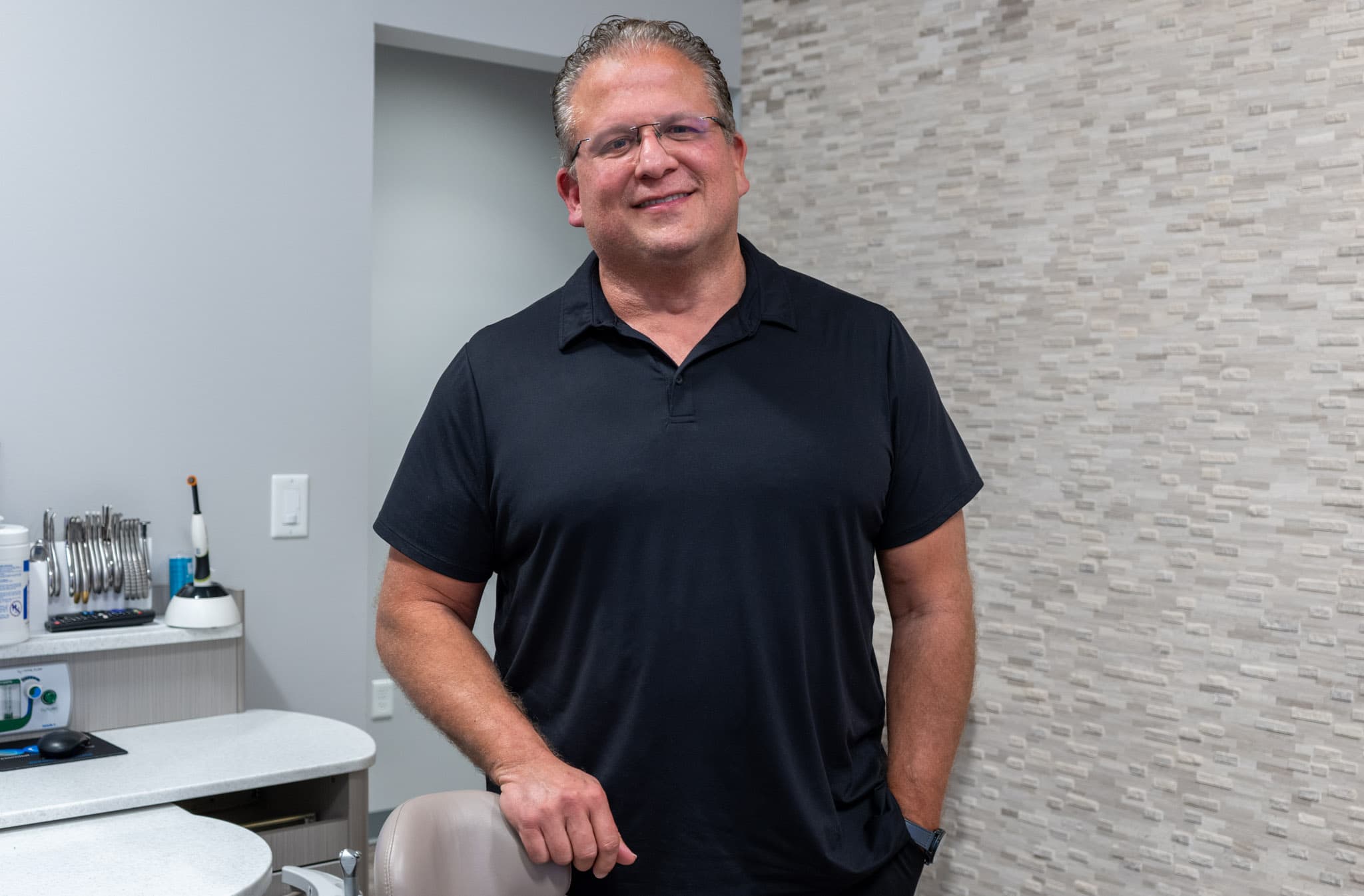
Stephen Deal, DDS.
You see him directly.
Double board-certified in craniofacial pain (DABCP) and dental sleep medicine (DABSB). Developer of the ControlledArch orthodontic protocol. Senior Instructor for the International Association for Orthodontics.
No associates, no rotations, no chair-shopping between clinicians. Every evaluation is ninety minutes with Dr. Deal, same-visit findings, written plan before you leave.
Ninety minutes. A real answer.
- Before
Call or schedule online
5 minutesTell us briefly what you've noticed — for you or for a child. Office staff places you on the schedule and sends an intake form to fill out before the visit.
- The visit · one appointment
Comprehensive evaluation
90 minutes · with Dr. DealNinety minutes with Dr. Deal directly. Airway-aware exam — nasal patency, posture, tongue position, occlusion, photographs, CBCT imaging if indicated. Sleep questionnaire for adults; growth screen for kids.
Findings and plan
Same-visit findingsSame visit, no second appointment for results. You leave with a written plan — what's driving what you've noticed, what we'd treat, what we wouldn't, and the timeline. No pressure to start that day.
- After
Treatment, at your pace
Begin within ~4 weeksTreatment is staged. Most adult sleep, TMD, and adult ortho cases begin within the next four weeks. Pediatric growth-guidance cases are scheduled to the child's growth window — sometimes immediately, sometimes after a watch period.
Three patients. Three different problems.
Our daughter was being referred for ADHD evaluation. The airway exam caught what no one else had screened for. A year later her sleep is solid and her teacher noticed the focus change before we did.
Twelve years of jaw pain. Three splints from other offices that didn't touch it. Six months after starting at Symmetry, the splint is off and I'm sleeping through the night.
I drove four hours each way for the evaluation. It was worth it. Dr. Deal explained more in ninety minutes than I'd learned from three previous sleep-medicine visits.
Initials and locations only · full names withheld for patient privacy
Questions, answered.
How do I know if I should book?
If you or your child has snoring, restless sleep, morning headaches, dark circles, chronic jaw pain, crowded teeth, or a face that doesn't quite track — book the evaluation. Ninety minutes tells us whether the airway is driving the picture, and you leave with a plan either way.
What does the evaluation cost?
The comprehensive new-patient evaluation is a fee-for-service appointment. The office will give you the exact figure before booking. We provide detailed superbills for out-of-network reimbursement, and many sleep-related and TMD services have meaningful out-of-network coverage.
Do you take insurance?
Symmetry is fee-for-service and out-of-network with insurance carriers. We're upfront about this because in-network constraints get in the way of how we like to treat. The office walks you through expected reimbursement and superbills before you book.
I'm out of state — should I still come?
Yes, frequently. Patients travel from across the South for complex pediatric airway, TMD, and adult ControlledArch cases. We coordinate hotel and timing so the trip is one or two visits, not five. Or — for screening only — try the sleep-apnea quiz at idealsleepnow.com.
Is my child too young or too old?
From about age four through adult. Pediatric growth-guidance windows close roughly between ages seven and twelve, so earlier is better — but adult expansion and adult sleep/TMD work remain very much on the table. Rarely is it too late.