Oral appliance therapy, plainly.
A custom-made mouthpiece, worn at night, that holds the jaw and tongue in a position that keeps the airway open. For mild and moderate obstructive sleep apnea — and for severe cases that can’t tolerate CPAP — it’s often the right tool.
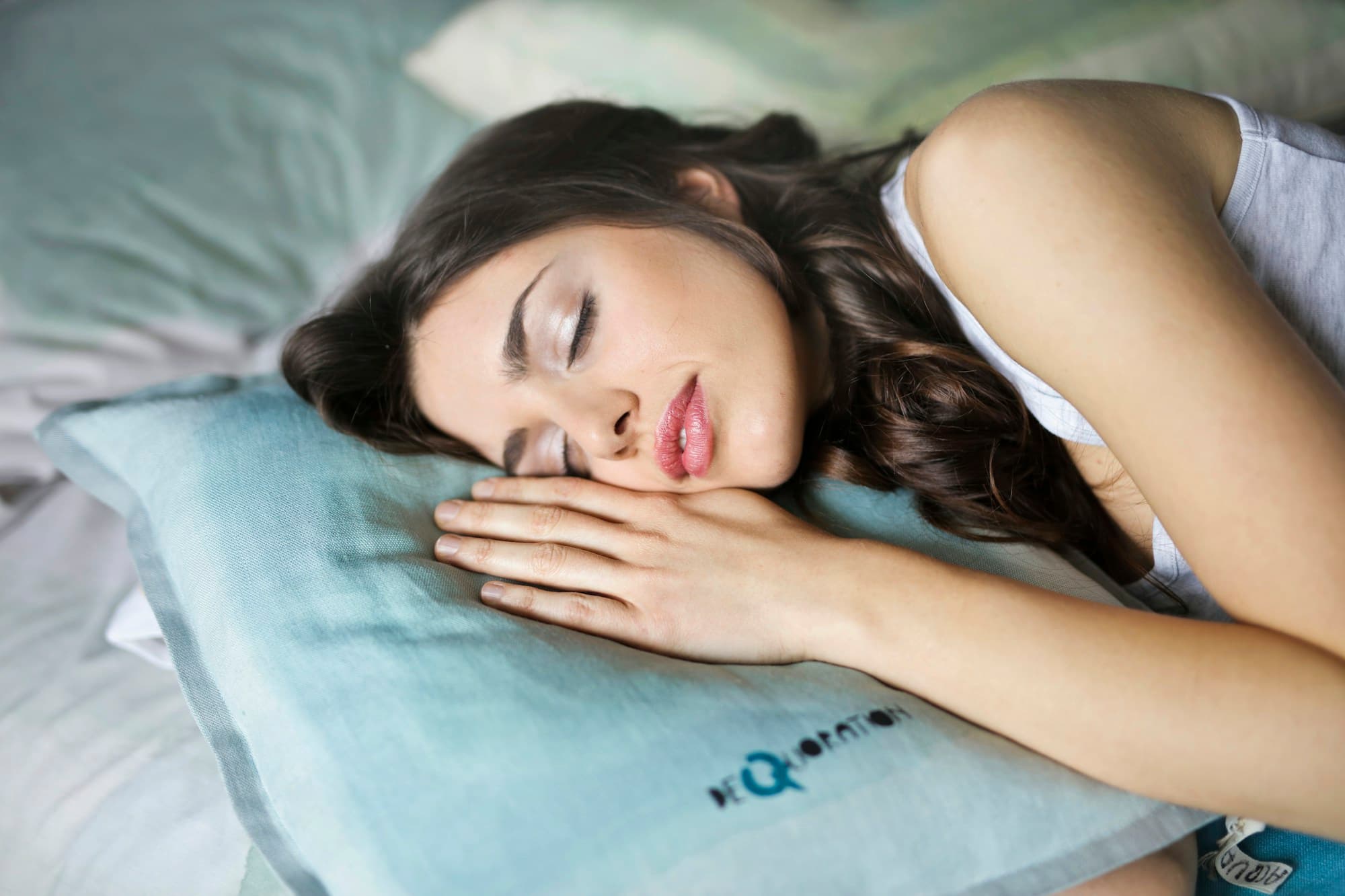
Most people’s mental image of sleep-apnea treatment is a hose, a mask, and a bedside machine. CPAP works — it just doesn’t fit most lives. Roughly half of people prescribed CPAP can’t or won’t wear it consistently. The airway problem doesn’t resolve because the prescription went unused.
What an oral appliance does
A custom-fitted device, worn at night, holds the lower jaw forward by a few millimeters. That repositions the tongue, opens the airway at the back of the throat, and reduces or eliminates the apnea events that fragment sleep. It’s the size of a bite guard, fits in a pocket, and doesn’t need a power outlet.
Who it’s for
People with mild or moderate obstructive sleep apnea are usually good candidates. People with severe sleep apnea who can’t tolerate CPAP are often candidates too — especially when paired with positional therapy or weight management. The screening visit determines whether your specific airway anatomy is a good match for OAT.
What the process looks like
A sleep study is required first (most patients already have one). Dr. Deal takes airway-aware impressions, designs the appliance, and fits it. We titrate over a few weeks — small advancement adjustments — and recheck with a home sleep test to confirm efficacy. Most patients wear the appliance every night within four to six weeks of fitting.
Coverage
Medical insurance — not dental — often covers OAT when it’s prescribed for diagnosed obstructive sleep apnea. We help patients submit for reimbursement and provide the appropriate documentation. Out-of-pocket cost varies by case complexity.