Your nose was built for the job.
Mouth breathing isn’t neutral — it skips every step your nose does on autopilot. The case for nasal breathing is honest, well-documented, and old enough that even surgeons agree on the basics. Here’s the short version.
Deep sleep consolidates early · REM stacks late — an airway that stays quiet all night protects both halves
The nose was built for the job.
Inhaled air travels through turbinates that warm it, humidify it, and filter it. Mouth breathing skips all of that. The throat dries, the airway narrows, and the body works harder to do what should be automatic.
Nasal breathing makes nitric oxide.
The sinuses produce nitric oxide on the inhale, which opens blood vessels and improves oxygen uptake in the lungs. Mouth breathing bypasses this — the same breath does less work.
A closed mouth keeps the airway open.
When the jaw drops at night, the tongue falls back. That's how snoring and obstructive events begin. Closing the mouth keeps the tongue forward and the airway in its natural shape.
Sleep is priority number one.
Every metabolic, cognitive, and recovery system depends on it. Tape isn't a treatment for sleep apnea — but for the right person it's the smallest possible intervention with the largest possible payoff.
Tape is the smallest intervention with the biggest possible payoff — for the right person, on the right night.
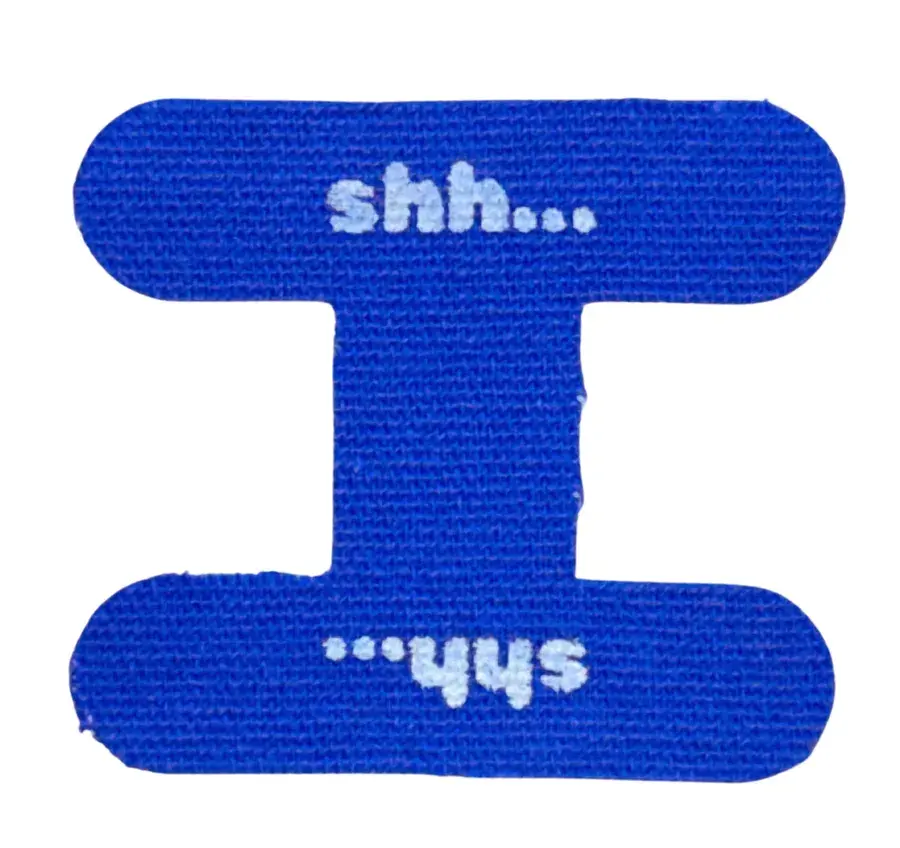
For an adult who breathes through their nose just fine during the day but mouth-breathes asleep, taping is a nudge — a soft seal that keeps the lips closed so the body can do what it already knows how to do.
Tape is not a treatment for sleep apnea. It is not a substitute for CPAP, an oral appliance, or any other medically indicated therapy. If you snore loudly, gasp at night, or feel tired no matter how long you slept, screen for sleep apnea before you tape. We’d rather you do that than skip it.

Four steps. Boring on purpose.
Clean skin around the mouth. No lotion, no balm — they break the seal.
Lips relaxed, gently together. Apply the tape across the lips and press for a few seconds.
If your nose is congested, skip the tape that night. Decongest first. Don't force it.
Lift slowly from the corner. If skin is sensitive, a warm cloth makes it effortless.